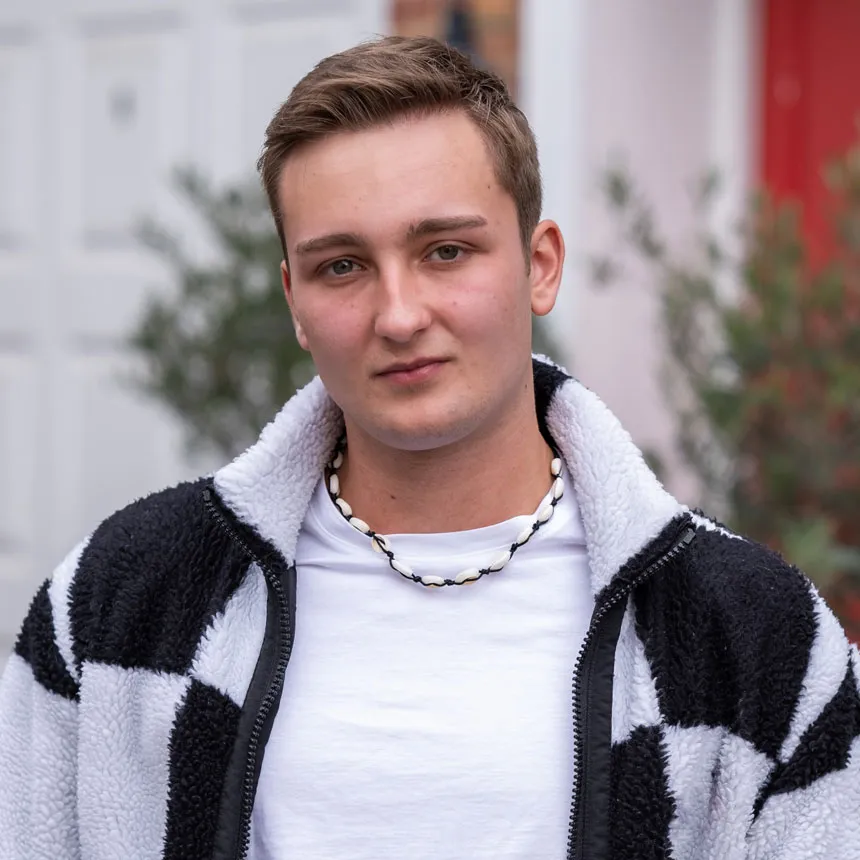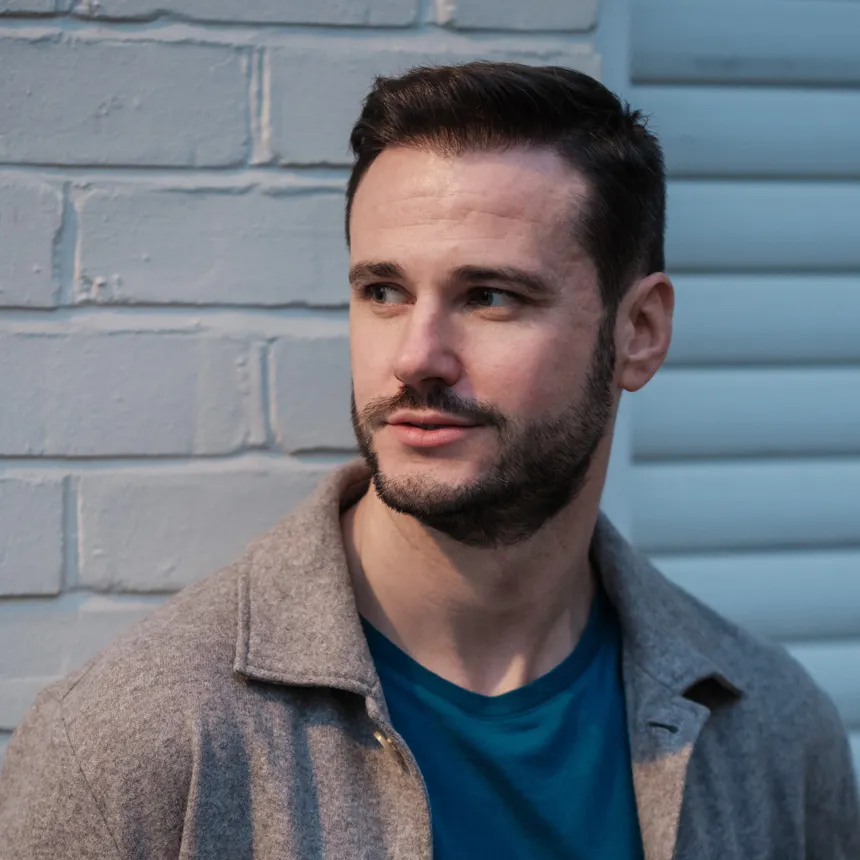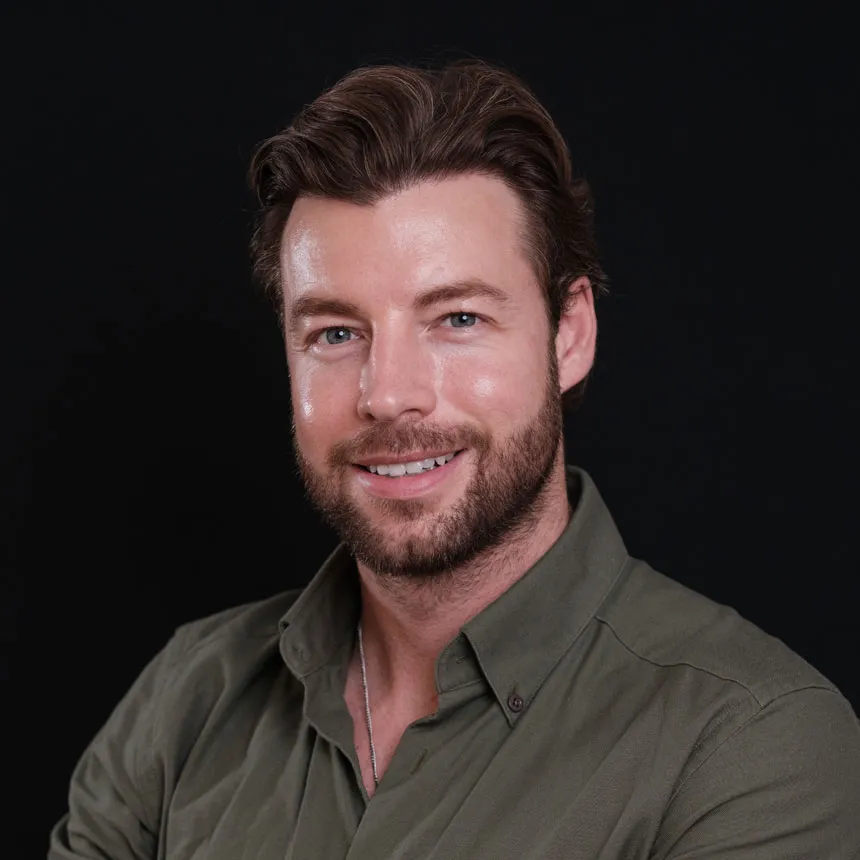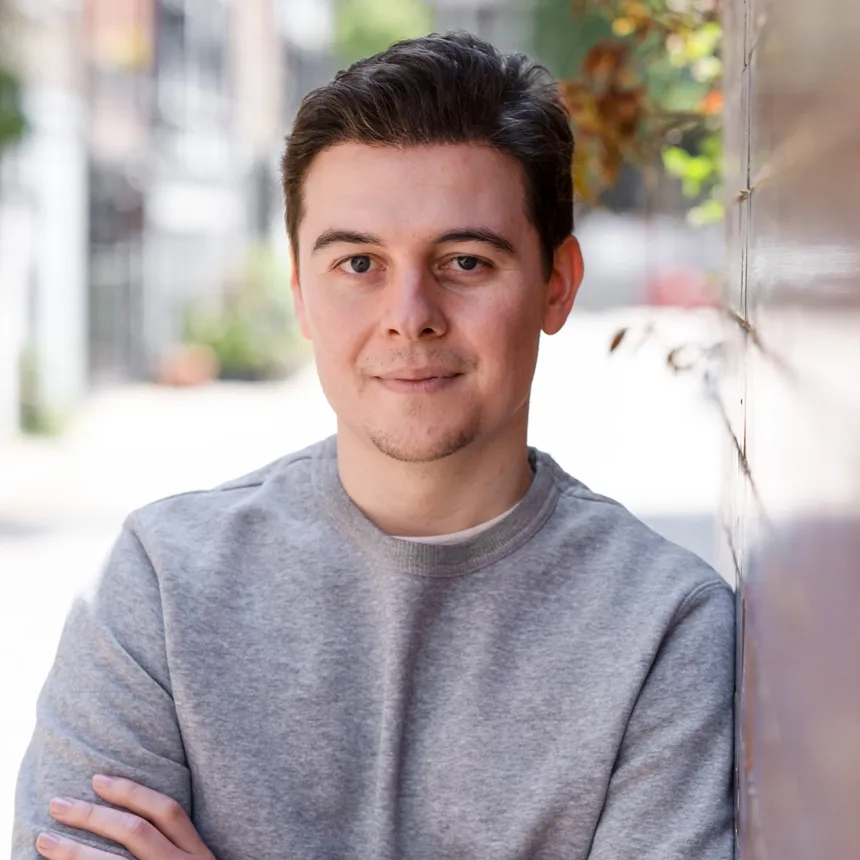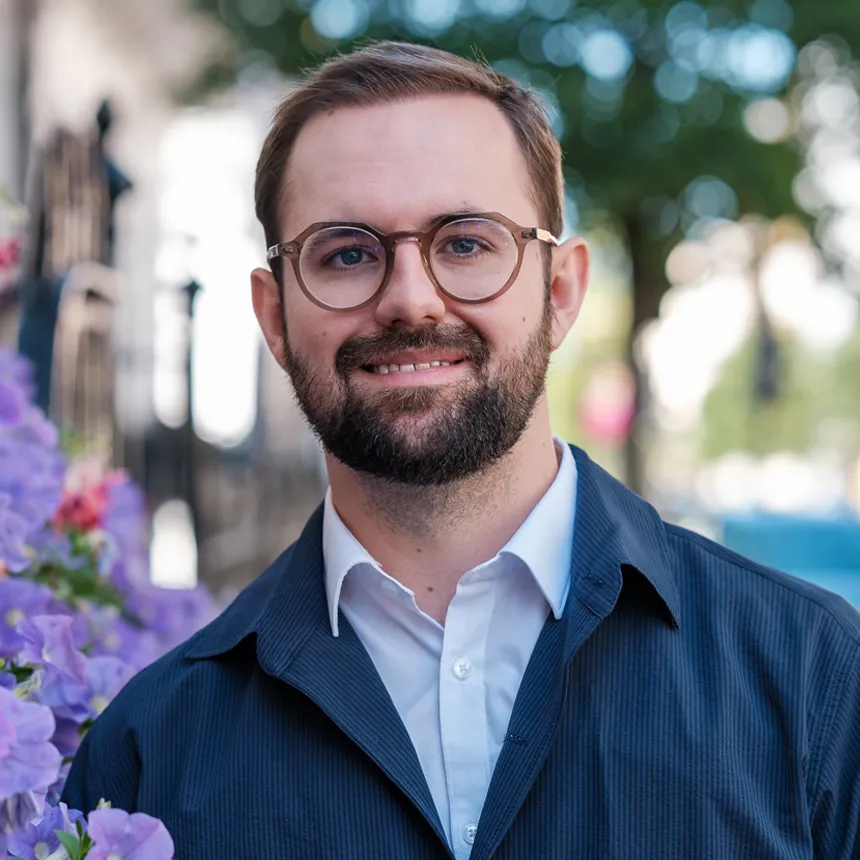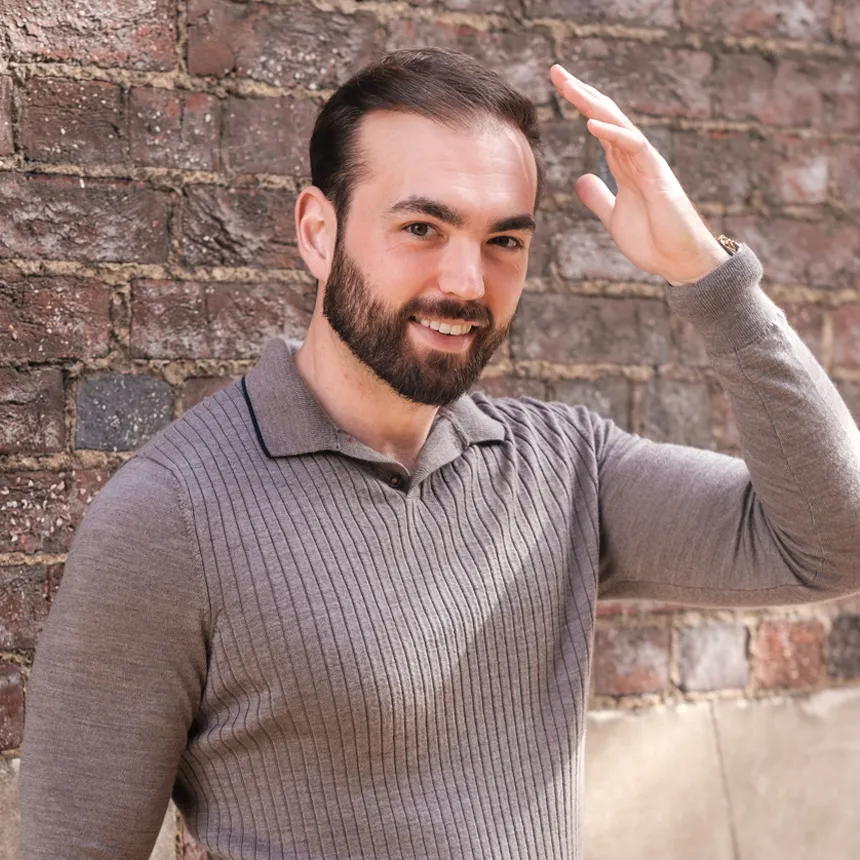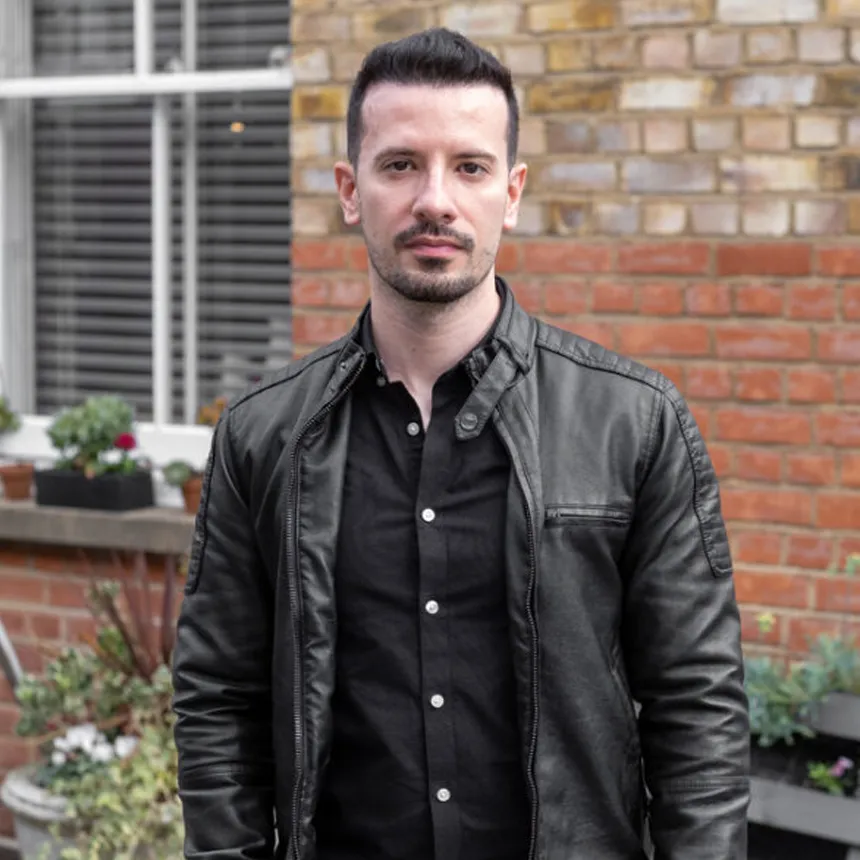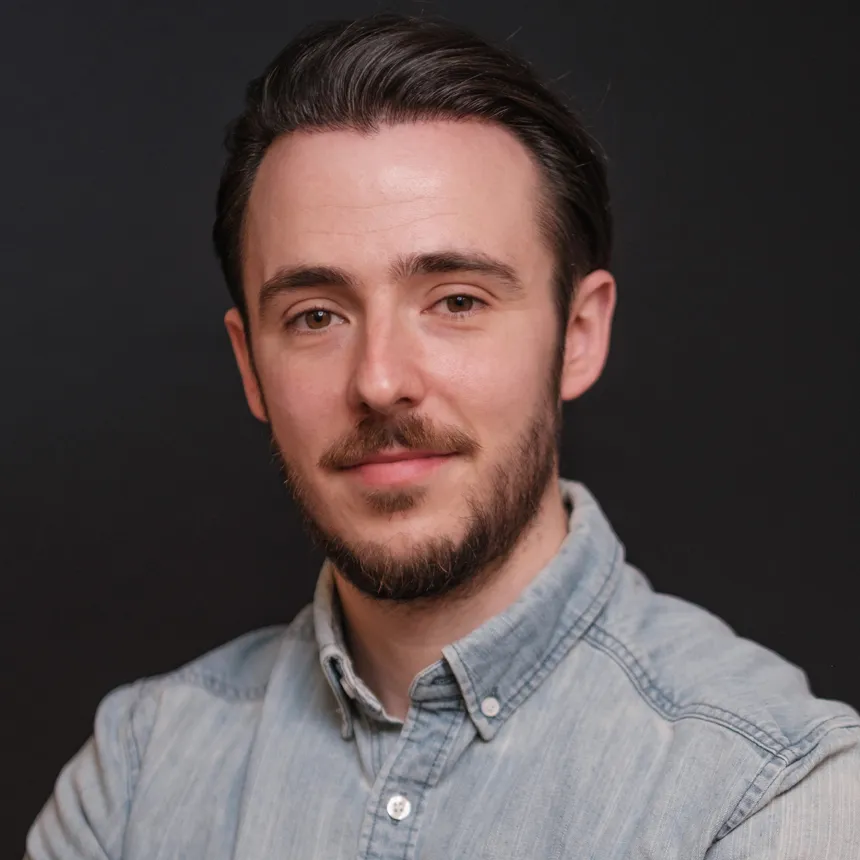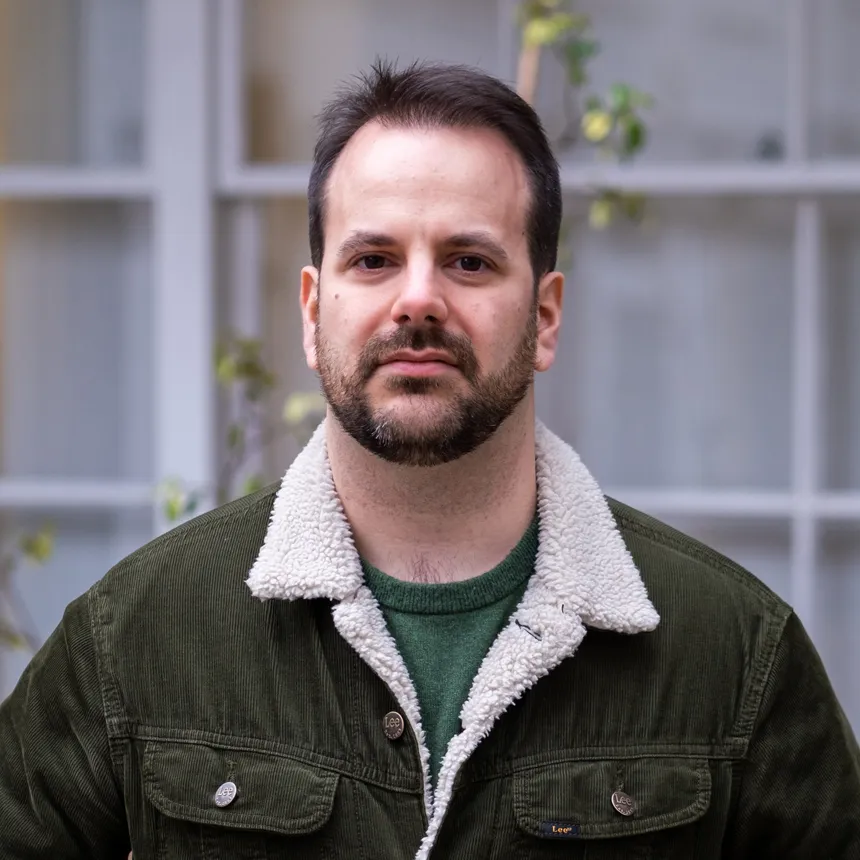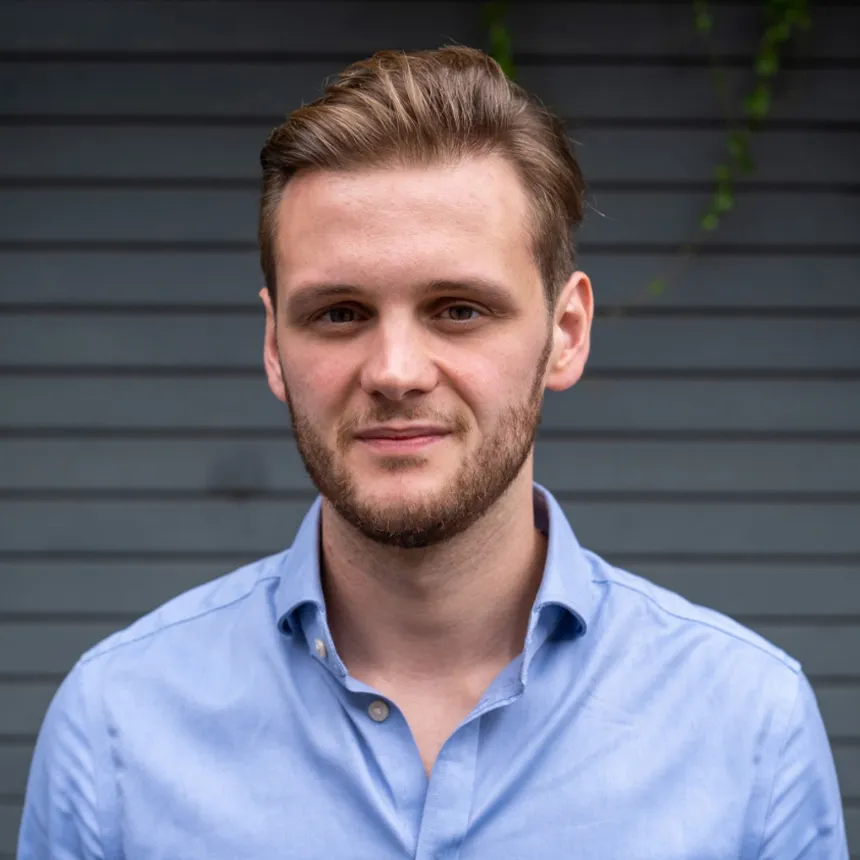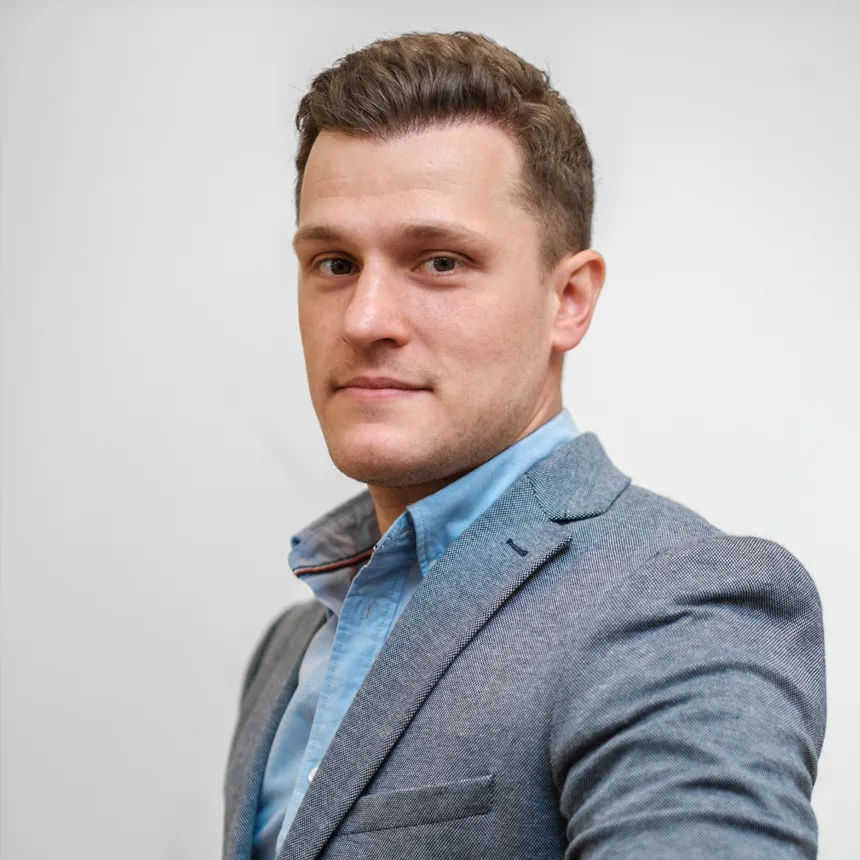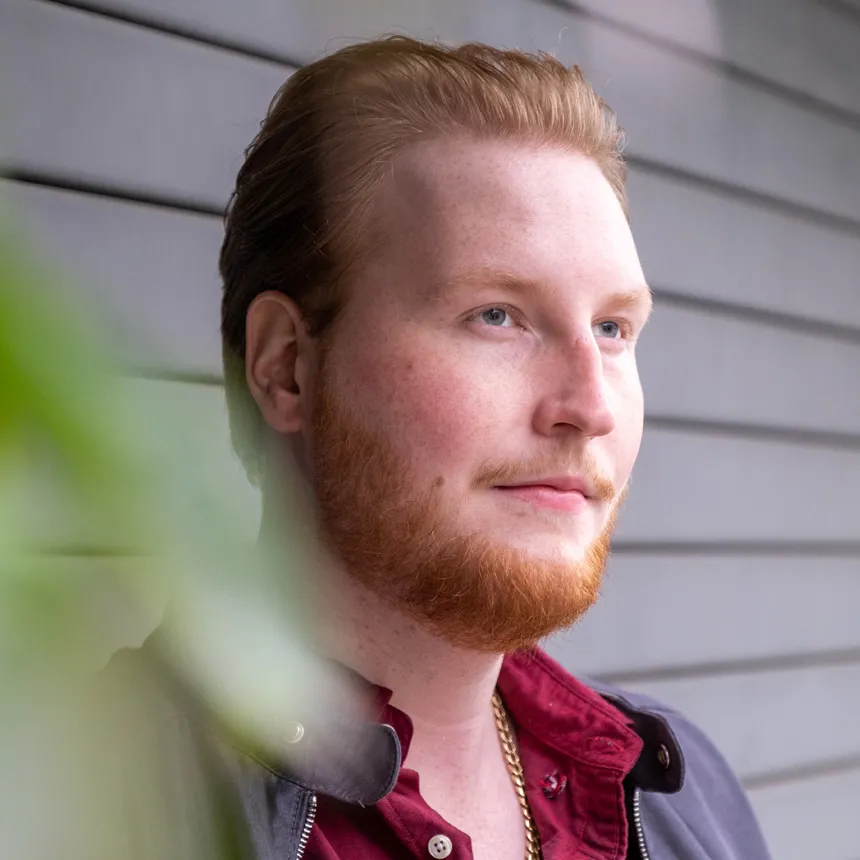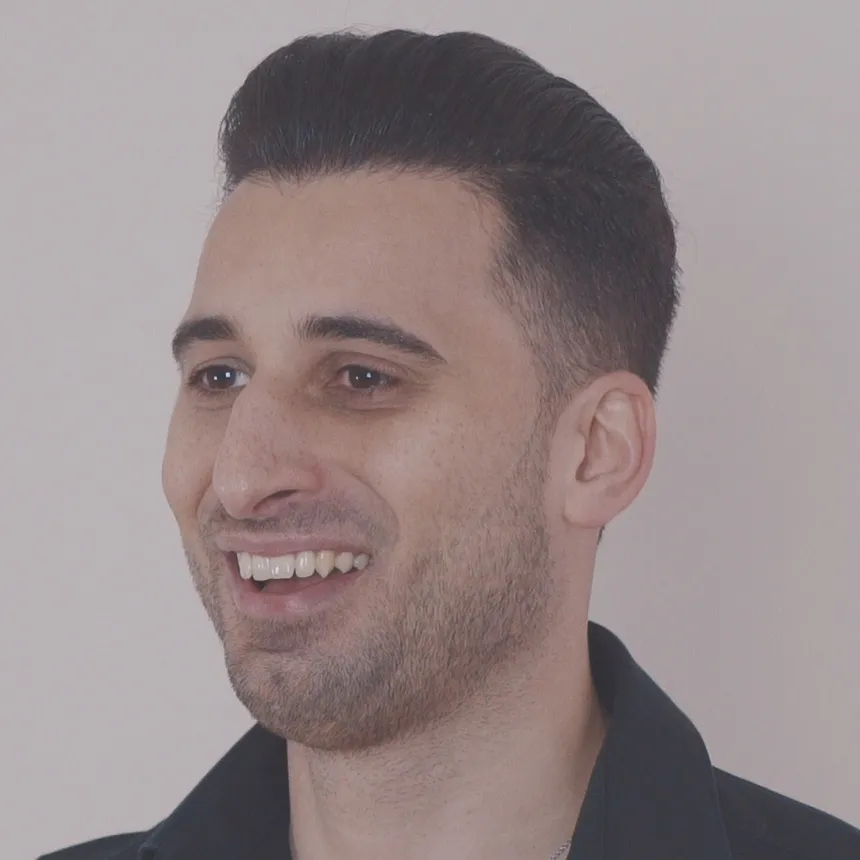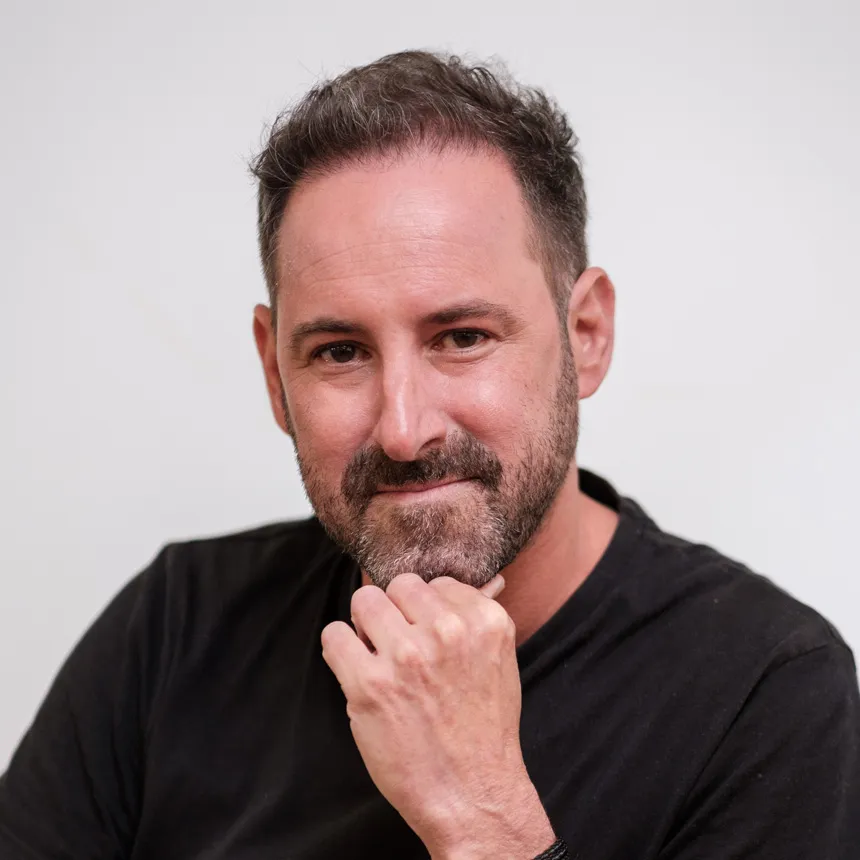

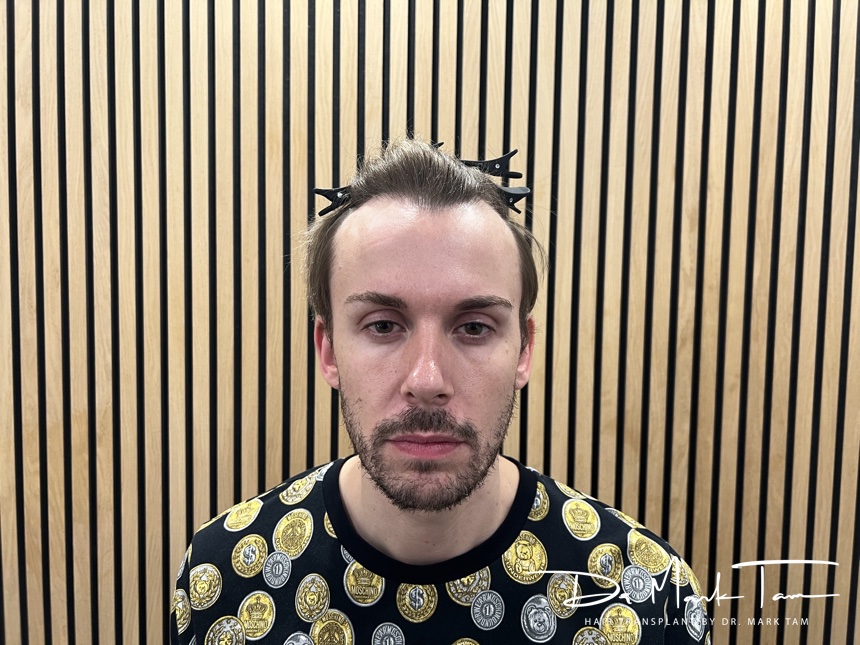
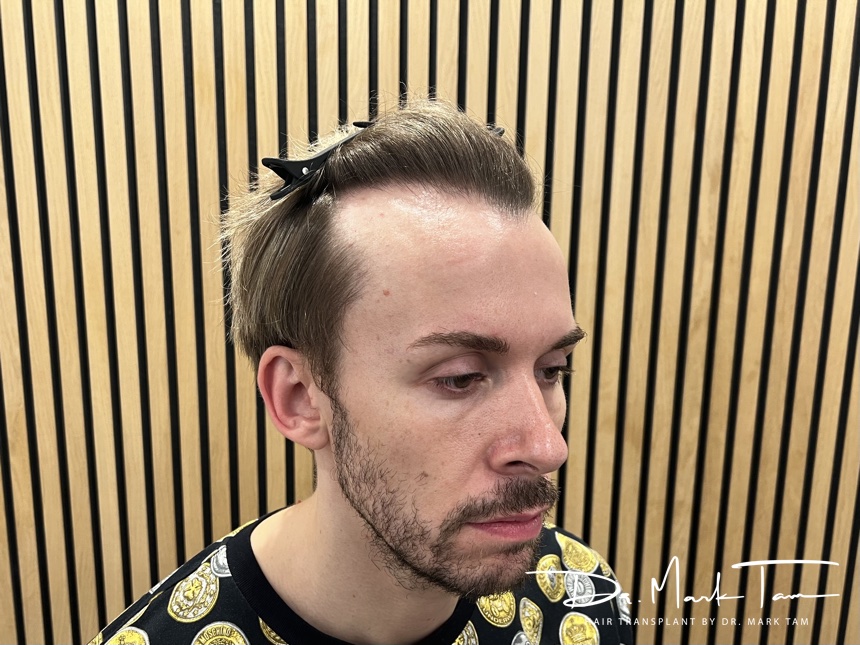
Stuart, from Belfast, is a nurse in the Accident and Emergency Department. Conscious of his hair loss since he was a teenager and unable to style his hair in the design of his choice, Stuart adopted a hairstyle that involved styling his hair with a long, sweeping fringe to try to cover the areas where his hairline was receding.
Maintaining this well into adulthood, his desire for his ‘true’ hairstyle never disappeared.
Researching hair transplant options online, he took advantage of a free, virtual pre-consultation, sharing photographs and his aspirations with Dr Mark Tam to check his suitability for treatment before booking that all-important trip to London for a face-to-face consultation.


Stuart had been using anti-hair loss medication for over 8 years before he began considering hair transplant surgery. When Dr Mark Tam first met him in person, his hair loss was stable, and he was a good candidate for hair restoration surgery. Stuart’s main desire was to improve his hairline so he could finally style his hair how he wanted, upwards from his scalp, without worry about receding gaps.
It is not uncommon for men to experience hairline receding from their teens, something that can impact self-esteem at a vulnerable age, leading to reduced confidence, especially in social situations. Stuart plainly expressed that he had kept a hairstyle he disliked for many years, simply as a mask to hide behind.
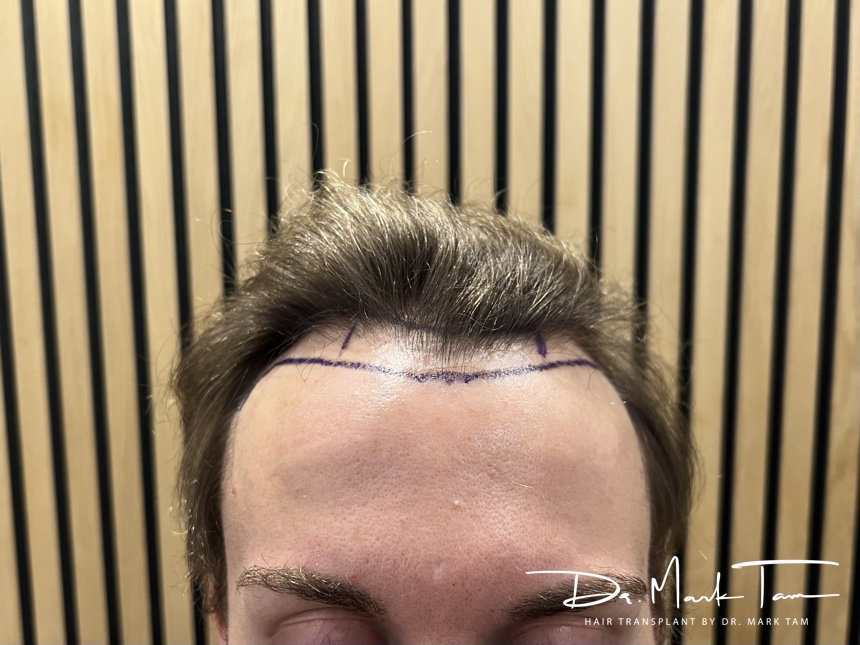
Using Treatment Area Mapping and Measurements (TAM+M) to assess the size of the areas for beneficial improvements, Dr Tam determined a total treatment area of 55.96 cm2. To achieve an ultra-high-density result for a naturally restored hairline so Stuart could show off his new haircut, he would need to place 55 grafts per cm2.
Knowing the exact size of the treatment area and the density required, Dr Tam calculated he would need to harvest 3,077 follicular unit grafts from the donor areas. During the procedure, he successfully extracted 3,107 grafts and implanted 7,282 hairs into Stuart’s hairline and temple points.
To extract and harvest a large number of follicular unit grafts with minimal impact on the donor sites at the back and sides of the scalp is not only painstaking and time-consuming, it requires real precision. Dr Tam is a specialist in the precise use of very small follicular unit extraction (FUE) punches.
His surgical tool of choice was 0.75mm in diameter. He also employs world-class, pioneering regenerative techniques like partial follicular unit extraction to harvest hair units by splitting close-together hair follicles to leave enough tissue behind for it to repair and restore in situ, and preserve the donor sites with little sign of intervention, and crucially, maintaining the area(s) for future use.
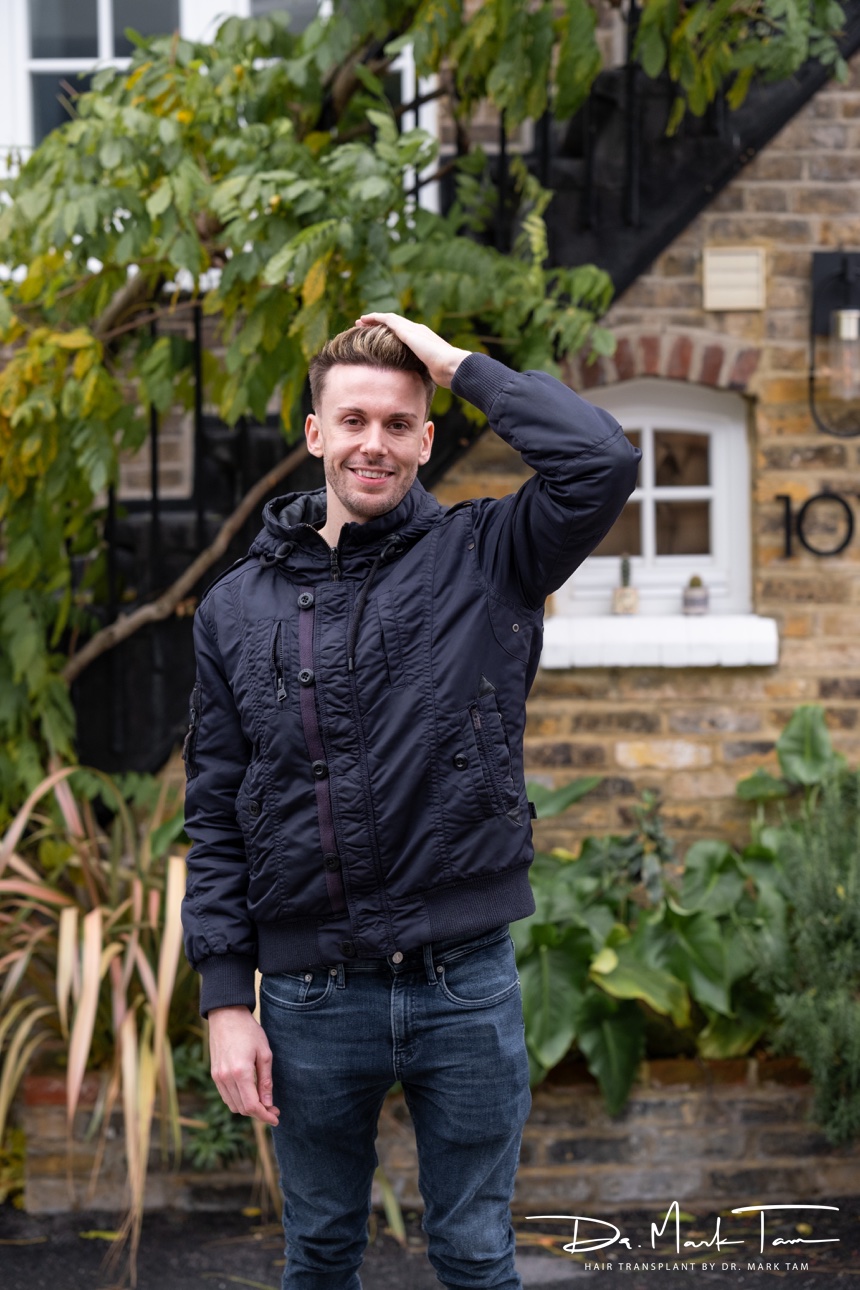
Stuart says, “The difference is unbelievable. I had it done last July and kept my hairstyle the same because it takes time to heal and for the hair to start growing through. I was able to cover the sites of the surgery. I was back to work within a few days after the surgery, and nobody even noticed that I had the procedure done.”
“Now, I have my hair the way I like to style it. It just makes such a confidence boost. Everybody who knows that I've had it done has complimented me and the massive difference it's made to my image. It definitely just makes me feel so much happier now.”
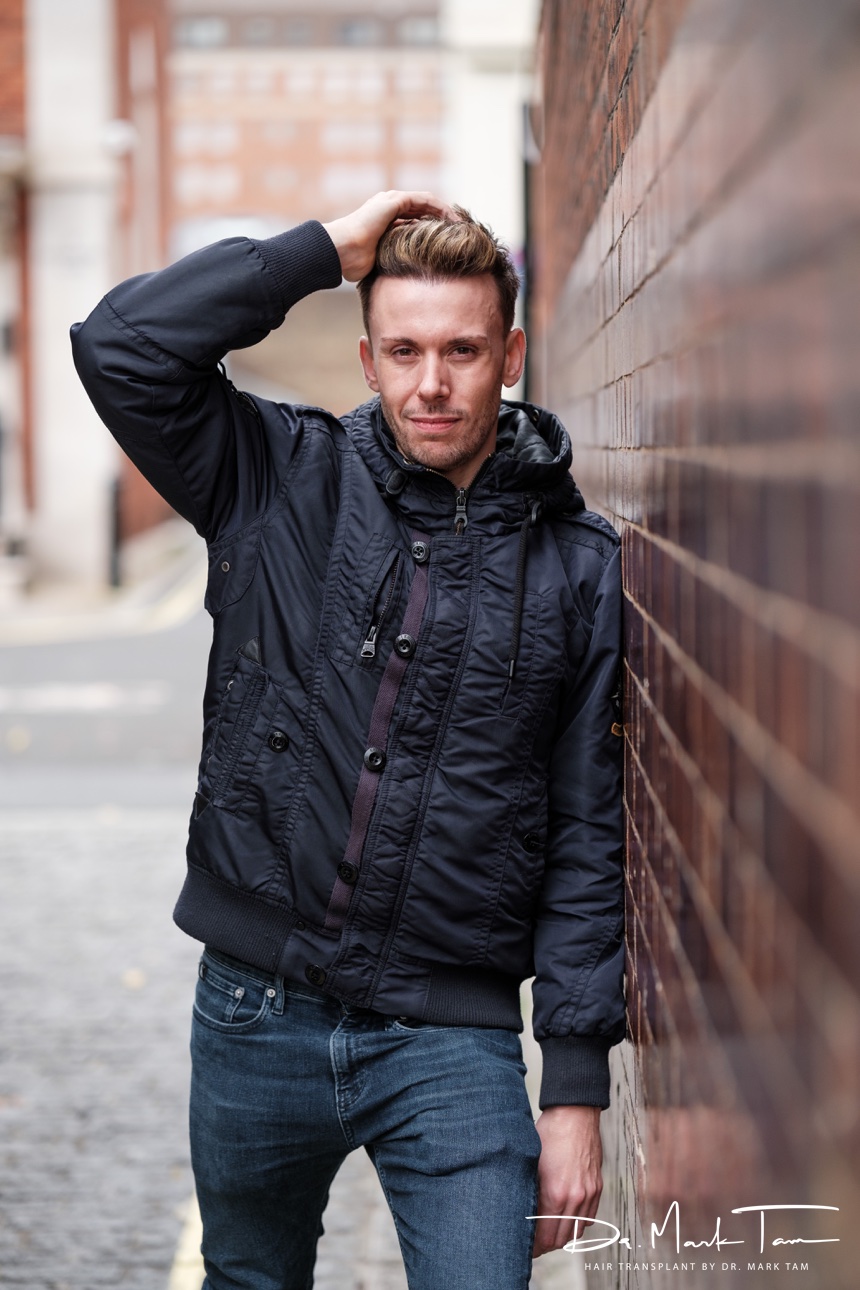
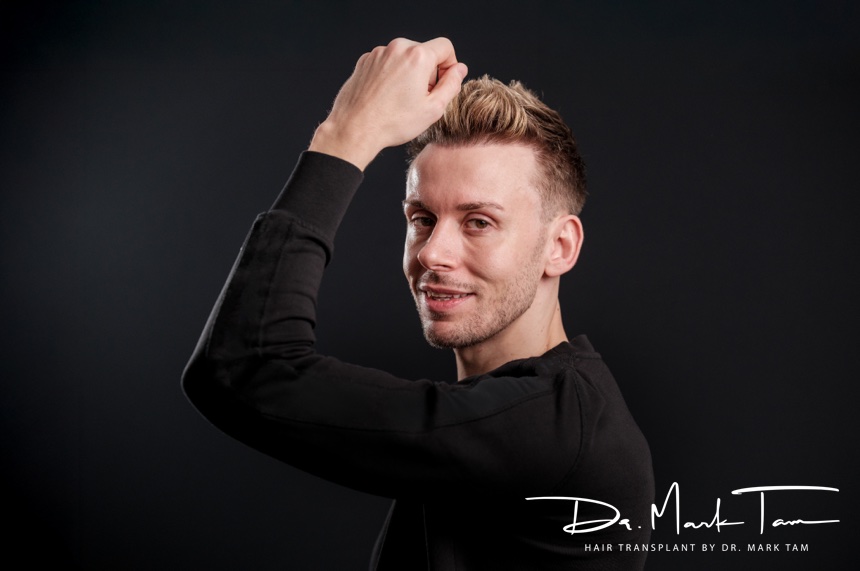
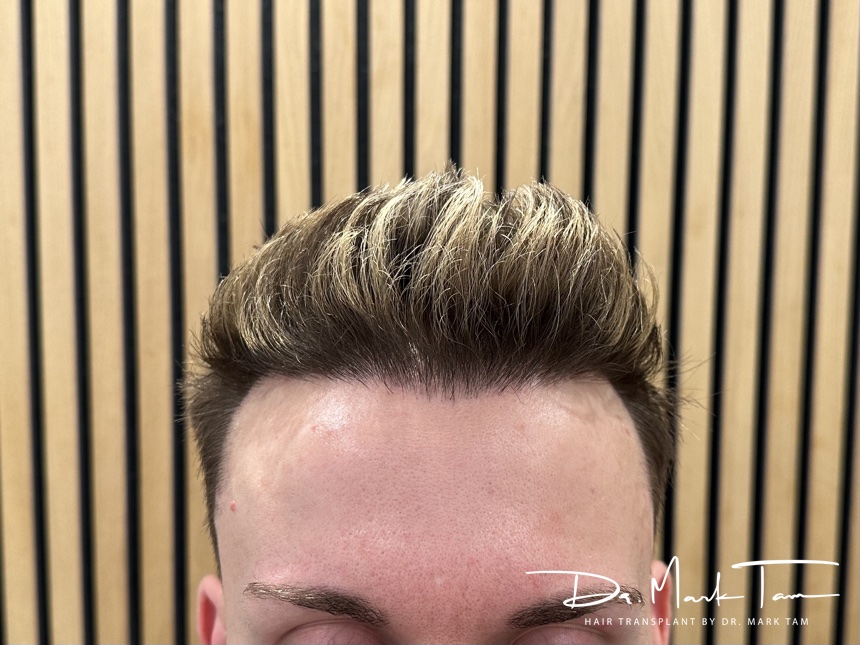
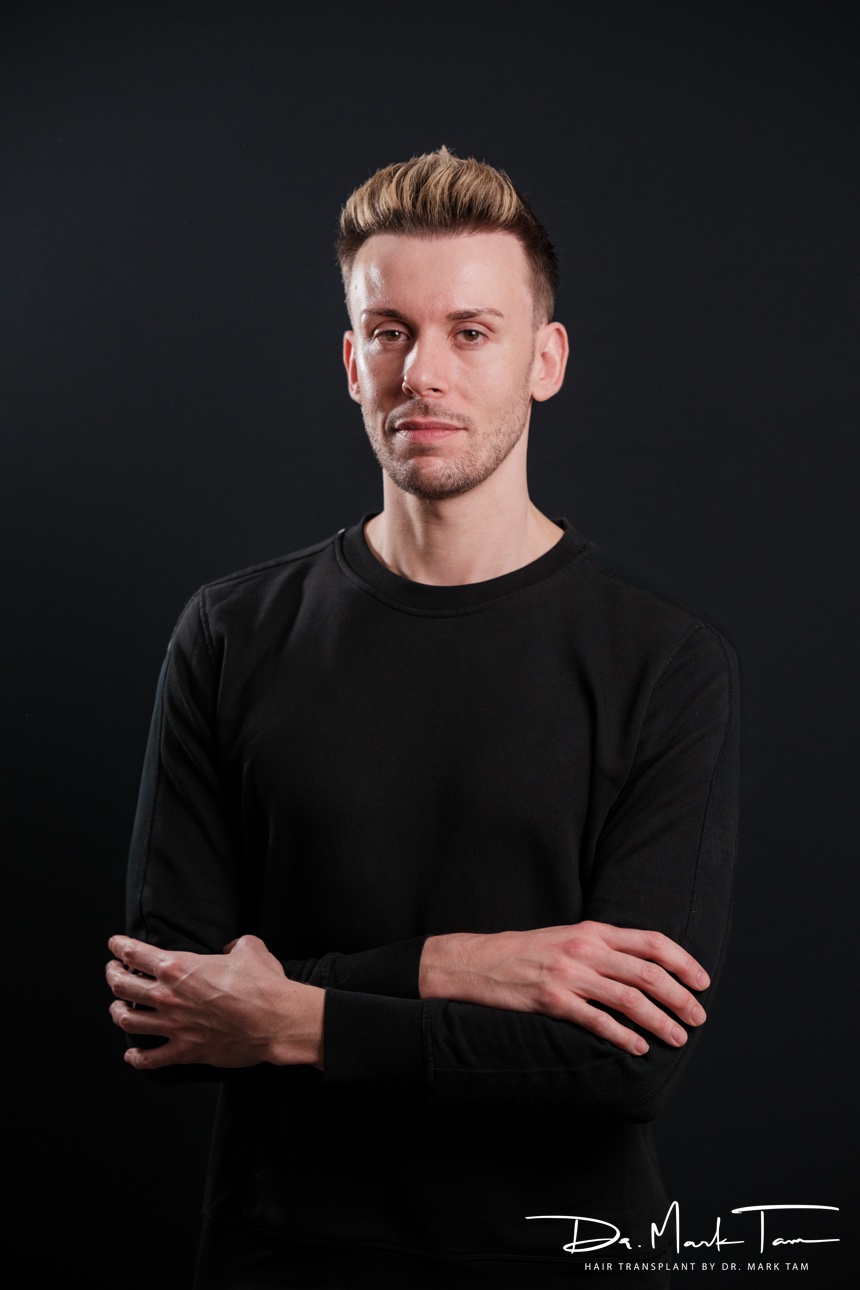
The result from his hair transplant has been life-changing for Stuart, a great improvement to his hairline, and all with a very natural feel. He can style it up and away from his face with ease and confidence; it’s a beautiful result.
To achieve this look, Dr Tam kept the existing mid-point that was present in Stuart’s original hairline and strengthened it further, bringing the temples on both sides down to re-balance the hairline and address the receding hair. It’s just the right amount of intervention to give Stuart the freedom and confidence to finally have his hair how he wants it.






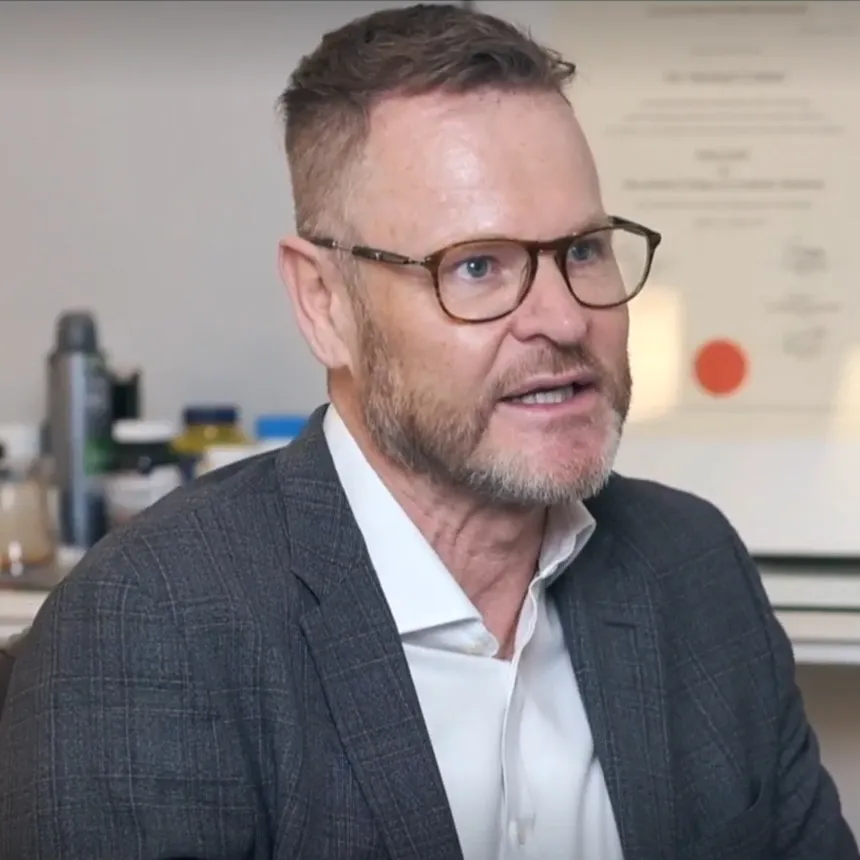
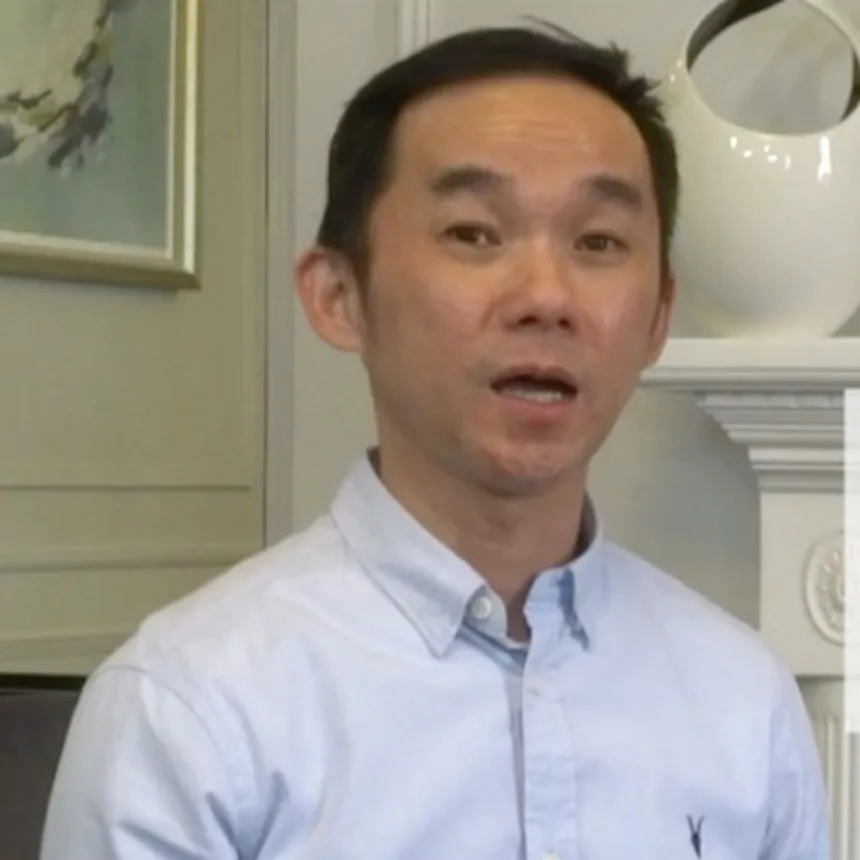
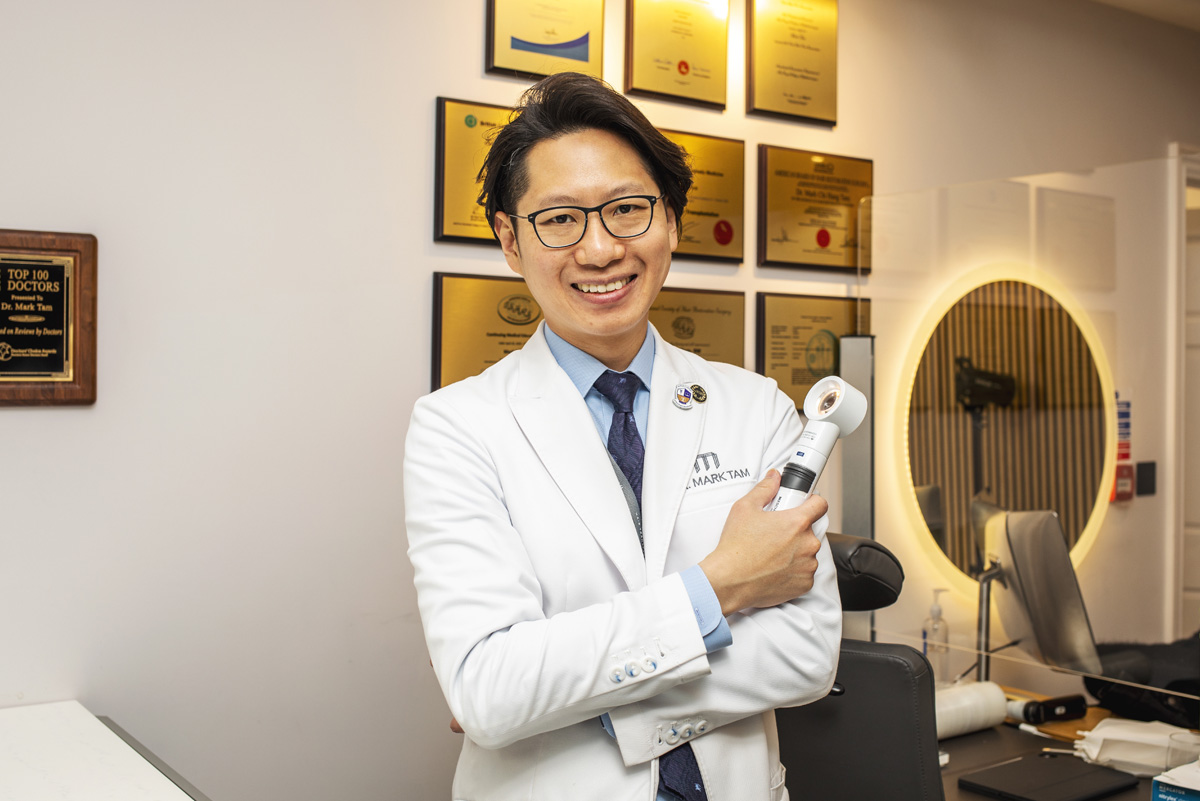
Dr Mark Tam explains the benefits of an assessment.

* - Required field