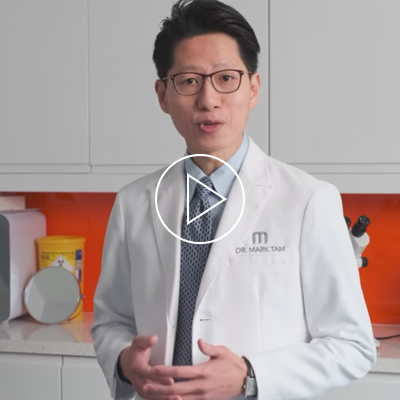
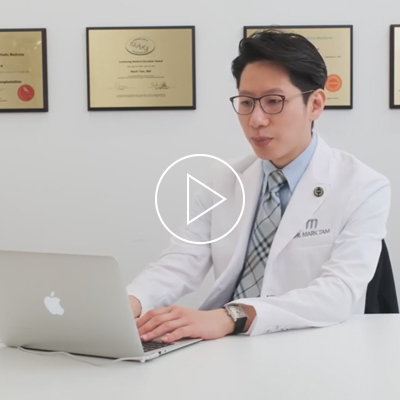
FUE Hair Transplant - All You Need to Know. Insight by Dr Mark Tam (ABHRS)
Hair loss, in its myriad forms, can be a significant source of distress for both men and women. It can impact self-image, confidence, and overall quality of life. Fortunately, the field of hair restoration has advanced considerably, offering effective and natural-looking solutions. Among these, Follicular Unit Excision (FUE) hair transplantation has emerged as a leading technique, renowned for its minimally invasive nature and impressive results. This comprehensive guide will walk you through every aspect of FUE, empowering you with the knowledge to make informed decisions about your hair restoration journey.
What is an FUE Transplant?
FUE stands for Follicular Unit Excision. Unlike older, more invasive methods, FUE is a modern hair transplant technique that involves the individual extraction of hair follicles (or follicular units) directly from the donor area – typically the back and sides of the scalp, where hair is genetically resistant to balding. These individual follicular units, each containing one to four hairs, are then carefully implanted into the recipient area, the balding or thinning regions where hair growth is desired. The key difference from older methods is the absence of a large incision or strip removal, making FUE a less invasive and more patient-friendly option..
Why Have a FUE Transplant?
The decision to undergo an FUE transplant is often driven by a desire for a permanent and natural-looking solution to hair loss. Individuals choose FUE for a variety of compelling reasons:
• Permanent Solution: Unlike temporary fixes like medications or concealers, FUE provides a lasting solution to hair loss by transplanting hair follicles that are genetically resistant to balding.
• Minimally Invasive: The absence of a large incision means reduced pain, minimal scarring, and a significantly faster recovery time compared to traditional strip harvesting methods (FUT).
• Natural-Looking Results: The precise and individual placement of follicular units allows the surgeon to create a natural-looking hairline and overall hair density, mimicking the way hair grows in nature. (FUT).
• Minimal Downtime: Most patients can return to their normal daily activities, including work, within a few days after the procedure. (FUT).
• Versatile Donor Area: FUE allows for the extraction of grafts from various areas of the body, such as the beard or chest, if the scalp donor area is limited or insufficient.
What can a FUE Hair Transplant Treat?
FUE is a versatile technique capable of addressing a wide range of hair loss conditions, including:
• Male Pattern Baldness (Androgenetic Alopecia): The most common cause of hair loss in men, characterised by a receding hairline and thinning at the crown.
• Female Pattern Hair Loss: Similar to male pattern baldness but typically presents as a more diffuse thinning across the scalp.
• Receding Hairline: Effectively restores a youthful and defined hairline, framing the face and improving overall appearance.
• Thinning Crown: Adds density and coverage to the top of the head, addressing the common issue of a thinning crown.
• Scarring Alopecia: Can successfully camouflage scars from previous surgeries, injuries, or burns, restoring hair growth in scarred areas.
• Eyebrow and Beard Restoration: FUE can also be used to restore or enhance eyebrow and beard density.
How Does the FUE Procedure Work?
The FUE procedure involves several key steps:
1. Donor Area Preparation: The donor area is carefully shaved to allow for easy access to the hair follicles.
2. Local Anaesthesia: The donor and recipient areas are numbed with local anaesthetic to ensure a pain-free procedure.
3. Follicular Unit Extraction: Using a specialised micro-punch tool, the surgeon carefully extracts individual follicular units from the donor area. These punches are typically very small (0.7mm to 1.0mm) to minimise scarring.
4. Graft Preparation and Storage: The extracted grafts are carefully inspected, sorted, and prepared under a microscope by trained technicians. They are then stored in a chilled solution to maintain their viability.
5. Recipient Site Creation: Small incisions are made in the recipient area, carefully mimicking the natural angle and direction of hair growth.
6. Graft Implantation: The prepared grafts are then meticulously implanted into the recipient sites, ensuring proper depth and orientation.
The Four Stages of a FUE Hair Transplant
The FUE hair transplant process can be broadly divided into four stages:
1. Consultation: A comprehensive assessment of your hair loss, a detailed discussion of your goals and expectations, and a thorough evaluation to determine your suitability for FUE.
2. Extraction: The meticulous harvesting of individual follicular units from the donor area using a specialised micro-punch.
3. Preparation: The careful inspection, sorting, and preparation of the extracted grafts under a microscope, ensuring their optimal condition for implantation.
4. Implantation: The strategic and precise placement of the prepared grafts into the recipient area, meticulously mimicking the natural growth pattern of hair.
What is the difference between FUE and FUT?
FUT (Follicular Unit Transplantation), also known as the "strip method," involves surgically removing a strip of scalp from the donor area. The strip is then dissected into individual follicular units under a microscope. FUE, as detailed above, involves the individual extraction of follicular units directly from the scalp.
For further information on the pros and cons of FUE vs FUT hair transplantation, visit our FUE vs FUT blog article here
Why choose FUE over FUT?
FUE offers several distinct advantages over FUT, making it a more appealing choice for many patients:
• Significantly Less Scarring: FUE leaves tiny, virtually undetectable dot scars in the donor area, whereas FUT leaves a linear scar that can be visible, especially with short hairstyles.
• Faster Healing and Recovery: FUE patients typically experience a quicker and more comfortable recovery, with less pain and swelling.
• Greater Flexibility in Donor Area: FUE allows for harvesting grafts from various body areas, providing more flexibility for patients with limited scalp donor hair.
• Reduced Risk of Nerve Damage: The risk of nerve damage and numbness in the donor area is lower with FUE compared to FUT.
• No Stitches or Staples: FUE doesn't require stitches or staples, further simplifying the recovery process.
Does FUE Hair Transplants hurt?
The FUE procedure is typically performed under local anaesthetic, completely numbing the donor and recipient areas. As a result, you should not feel any pain during the extraction and implantation process. Some mild discomfort, such as soreness or tenderness, may be experienced after the procedure, which can be easily managed with over-the-counter pain relief.
Results and Aftercare
While the initial results of an FUE hair transplant can be seen within a few months, the full and final results typically become evident within 12-18 months. Following the procedure, meticulous aftercare is essential to ensure optimal graft survival and promote healthy hair growth. This typically involves:
• Gentle Washing of the Hair: Following specific instructions on how to wash your hair gently in the days following the procedure.
• Avoiding Strenuous Activity: Refraining from strenuous exercise and heavy lifting for a specified period.
• Using Prescribed Medications: Taking any prescribed medications, such as antibiotics or anti-inflammatory drugs, as directed by your surgeon.
• Protecting the Scalp from Sun Exposure: Shielding your scalp from direct sunlight to prevent damage to the newly implanted grafts.
• Attending Follow-Up Appointments: Regularly attending follow-up appointments with your surgeon to monitor your progress and address any concerns.
Hair Transplant Surgery vs Alternatives
While FUE is a highly effective solution for hair loss, it's important to be aware of alternative treatments:
• Medications: Anti-hairloss medications can help slow down hair loss and stimulate some hair regrowth, but they are not a permanent solution. Find out more about how medications can work in conjunction with a hair transplant here
• Non-Surgical Treatments: Low-level laser therapy (LLLT) and platelet-rich plasma (PRP) injections may help stimulate hair growth and improve hair thickness.
• Hairpieces and Wigs: Offer a temporary and non-invasive way to conceal hair loss.
• Scalp Micropigmentation (SMP): Creates the illusion of a fuller head of hair by tattooing tiny dots onto the scalp.
To Summarise FUE Hair Transplantion
The best course of action is to consult with a qualified and experienced hair transplant surgeon who can assess your individual needs, discuss the pros and cons of various treatment options, and help you determine the most suitable approach for achieving your desired outcome. Hair restoration is a journey, and choosing the right surgeon and treatment plan is crucial for a successful and satisfying experience.
Personalised Approach?
Dr. Mark Tam offers a personalised, end-to-end hair transplant experience, ensuring you receive dedicated care from start to finish.
His services begin with a review of your free online pre-assessment submission, allowing him to review your uploaded photos. This detailed review helps tailor the procedure to your individual needs.
Should you be suitable for a FUE hair transplant, Dr Mark Tam, will advise you on the next steps. For your piece of mind and continuity, Dr. Tam personally oversees each step, providing expert guidance and support to ensure comfort and optimal results.
Following the procedure, he offers attentive post-surgery care and follow-up, monitoring your healing process and addressing any questions or concerns. This holistic approach underscores his commitment to delivering a seamless, personalized journey toward restoring your hair and confidence.
What’s Next?
To start your journey, Dr Mark Tam offers a complimentary online pre-assessment. Dr Mark Tam will personally review your case and the uploaded photos and inform you if you are suitable for a hair transplant.
Dr Mark Tam from his dedicated FUE Hair Transplant clinic on Harley Street in London specialises in the following FUE Hair Transplants: Early Receding Hairlines, Crown Hair Transplants, Hairline Transplants.
START YOUR JOURNEY